
The College Initiative Takes Root
The Vagina MonologuesThis thread traces how local college productions turned the V-Day campaign into a student-led network of performance, fundraising, and community engagement.
increasing Bearing strength in each event
 decreasing
Bearing strength in each eventdecreasingA Local-Level Strategy

A Local-Level Strategy
Taking the message outward
After the first benefit, members of the V-Day Benefit Committee considered how to bring the campaign to a broader grassroots audience. The committee settled on inviting colleges and universities to stage The Vagina Monologues around Valentine’s Day.
The idea joined performance to local fundraising. Proceeds would support organizations in each community that worked to stop violence against women, giving campuses a direct role in the campaign.
A coordinator steps forward
Karen Obel volunteered to direct the project. She had no settled sense of how many schools would participate or what the initiative could accomplish, but began researching colleges and contacting people likely to organize productions.
The plan’s modest, open structure mattered. Schools did not need to follow a single elaborate model; they could build events using the people and resources available to them.
Recruiting Campuses
Recruiting Campuses
A long correspondence
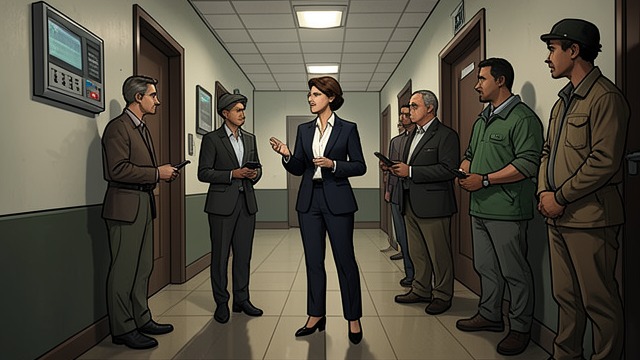
Obel sent messages to women’s studies and theater departments, student organizations, health educators, and other campus contacts. The work demanded hours of outreach, with responses ranging from enthusiastic interest to suspicion, hostility, or uncertainty.
Some potential organizers doubted that participation could be simple and accessible. Others worried about turnout, criticism, limited resources, or the difficulty of fitting a production into their existing responsibilities.
Persistence and setbacks
A few groups considered withdrawing when resistance or practical burdens grew too strong. Obel sometimes encouraged them to persevere, while also facing the possibility of restarting the search for participants when a school stepped away.
The recruitment process revealed that a campus production required more than approval of the play. It depended on students and community members negotiating local obstacles, finding support, and deciding that the message justified the work.
The First Campus Network
The First Campus Network
More than sixty-five schools
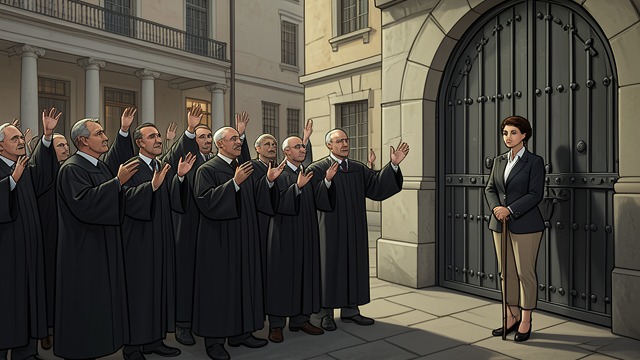
In 1999, more than sixty-five schools in the United States and Canada joined the College Initiative. Obel initially felt disappointed by the final number, then recognized how significant it was that campuses had taken part at all.
The local events introduced thousands of people to V-Day and The Vagina Monologues. Organizers reported different experiences, from difficult preparations to crowded performances and new sources of support.
A repeat becomes necessary
After the events, participants quickly asked when they could begin planning for the next year. Their response showed that the initiative had created not only public exposure, but also a network of people eager to continue.
The first year established the model’s durability. Campus organizers had found that a performance could be built through local effort, even without a single standard production or uniform level of institutional support.
A Larger Second Year
A Larger Second Year
New support and training
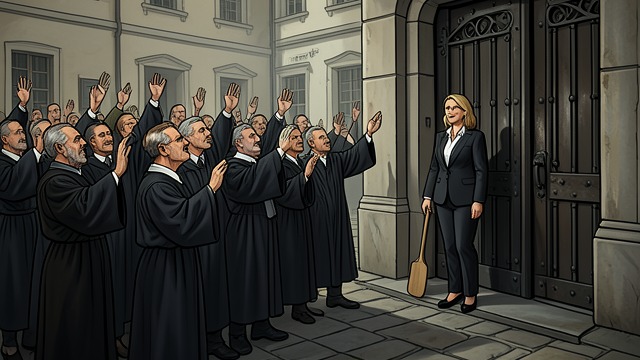
The 2000 College Initiative expanded with support from Self magazine and a special Empowerment Workshop. Students traveled to New York for a workshop led by Eve Ensler, then attended her performance and met other participants.
The workshop offered practical guidance on mounting productions as well as a chance to form connections across campuses. Participants later described this shared experience as one of the initiative’s most meaningful parts.
Wider reach
The number of participating schools rose to 150, including schools outside North America. Local events combined performances with discussions, counselors, information tables, fundraising, art, and other activities.
The initiative had become more than a repeat of the first year. Its growth connected a common play with a variety of local practices, while making the campaign visible to a much larger audience.
Student-Led Community Action
Student-Led Community Action
Learning to organize
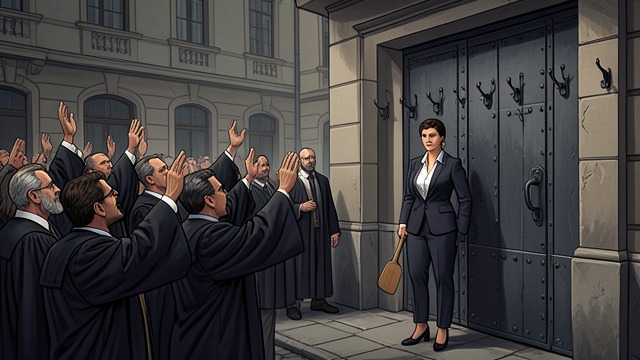
For many participants, putting on a production became one of the most demanding projects they had undertaken. They arranged venues, auditions, publicity, funding, beneficiaries, rehearsals, and performances while managing their responsibilities as students.
Some encountered damaged posters, threatened disruptions, lost support, or institutional opposition. Others turned confrontations into opportunities for conversation, as organizers invited hostile students to attend and encounter the play’s subject directly.
A new generation of organizers
Participants often described a stronger sense of their own capacity and of the power of community. The work also connected people who wanted to recover from personal experiences of sexual violation with a wider public effort to prevent violence.
The initiative’s larger result was therefore not limited to money raised or audiences reached. It helped participants become organizers, performers, and advocates who could carry the conversation beyond the event itself.
After the first V-Day, during planning for 1999
The weeks of outreach before the 1999 events
February 1999
2000
After the 2000 campus events
